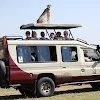
Tarangire in the dry season has a particular sound: the low rumble of elephants moving through baobab country toward the Tarangire River, the only reliable water for miles once the rains stop. Two days later on the same trip, you can be watching lions rest on a granite kopje in the Serengeti, then spend your final morning on the floor of Ngorongoro Crater, a sunken caldera where buffalo, zebra, and hyena share grassland ringed by forested walls. Few safari routes in Africa pack this much contrast into one week, and that is why Tanzania's northern circuit draws so many first-time travelers.
The plan that works best for a first private safari is a seven-day, six-night loop: one night near Arusha, one night in Tarangire, three nights in the Serengeti with two full days of game drives, and one night on the crater highlands before a morning in Ngorongoro Crater. That pacing gives you time to sit with a sighting instead of racing to the next lodge. It also stays honest about the long transfer days and the tight final departure. A private guide sets the rhythm around your interests, whether that means an early start for predators or a slower afternoon by a waterhole with the children.
Keep in mind that seven days in Tanzania covers six nights and one travel-heavy arrival, so this is a week on the ground with roughly five and a half days of safari. When you are ready to shape these days around your own dates, you can reach me and the planning team at (855) 272-3274 or through our safari planning page.
How to Spend Seven Days on Tanzania's Northern Circuit
This route runs as a loop out of Arusha and back, with the Serengeti placed in the middle so your longest stay sits where the wildlife is most spread out. The drive times below are approximate and assume a private vehicle with photo stops, which always stretch the clock.
Day 1: Arrive at Kilimanjaro Airport and Settle into Arusha
Most international flights land at Kilimanjaro International Airport in the evening, and the drive to Arusha takes about an hour on a paved road. Your guide or a transfer driver meets you after customs, and the goal for this first night is rest. Lodges and coffee-farm guesthouses on the outskirts of Arusha sit among gardens and plantations, quieter than staying in town and closer to the road west toward the parks.
If you land early enough, a slow afternoon helps your body adjust before the first game drive. Many travelers arriving from the United States come in after two long flights, and a proper night's sleep makes Day 2 far more enjoyable. This is also the moment to meet your guide, talk through what you most want to see, and settle details like camera gear and morning start times.
Day 2: Explore Tarangire's Elephant Herds and Baobab Landscapes
The drive southwest to Tarangire National Park runs about two to two and a half hours, so you can be inside the park by mid-morning. Tarangire is best known for its elephants, which gather in large family groups along the river during the dry months. The baobabs give the park its character, with swollen gray trunks that can be centuries old and often bear scars where elephants have stripped bark for moisture.
Beyond elephants, Tarangire supports good numbers of giraffe, zebra, wildebeest, and buffalo, and the swamps in the south attract a wide range of birdlife. Lions and leopards are present, though thicker vegetation means sightings come down to patience and a guide who reads the landscape well. Staying the night inside or on the edge of the park lets you return for the late-afternoon light, when animals move back toward water and the heat eases.
Day 3: Travel Through the Ngorongoro Highlands to the Serengeti
Day 3 is the longest transfer of the week, roughly six to seven hours including lunch and stops. You climb out of the Rift Valley through the farming town of Karatu, then up into the cool, misty forest of the Ngorongoro Conservation Area. The road follows the crater rim, and the first viewpoint over the caldera floor is one of the most memorable moments of the trip, a preview of the morning that ends your week.
From the rim the road drops onto open short-grass plains, passing Maasai settlements and herds of cattle before reaching Naabi Hill Gate at the Serengeti boundary. Once through the gate, the drive becomes a game drive in its own right. Depending on the season, you may cross plains dotted with gazelle and wildebeest, and you arrive at camp in the late afternoon with the first impressions of the Serengeti's scale settling in.
Day 4: Spend a Full Day Tracking Wildlife in the Serengeti
Your first full Serengeti day starts early, ideally leaving camp around first light, when predators are most active and the air is cool. The central Serengeti around the Seronera River valley is one of the most reliable areas for big cats year-round, thanks to resident prey and permanent water. Guides here watch for subtle signals: vultures dropping from the sky, a herd of topi all staring the same way, or a single gazelle snorting an alarm.
Many travelers choose a full-day drive with a packed lunch, which lets you range farther and stay with a sighting as long as it unfolds. Others return to camp at midday for a rest and head out again in the afternoon. With a private vehicle, there is no group vote to end a good sighting, which makes a noticeable difference when a cheetah starts stalking or a lioness begins moving her cubs.
Day 5: Explore More of the Serengeti at Your Own Pace
The second full day gives you room to follow your own interests. Photographers often want golden-hour light and fewer vehicles, so a guide might head toward quieter kopjes or river crossings away from the busiest Seronera loops. Families might prefer a shorter morning drive followed by a rest at camp, with an afternoon outing timed around the children's energy.
This is also the day for optional activities. A hot-air-balloon flight over the Serengeti launches before dawn and is followed by a bush breakfast, and it works best scheduled on a full day so you are not rushing to a transfer afterward. A full day with no driving deadline is what turns a busy itinerary into a week that feels relaxed.
Day 6: Enjoy a Final Serengeti Game Drive Before Heading to the Crater Highlands
Your last Serengeti morning is a game drive en route, heading back toward Naabi Hill Gate and the conservation area. The drive to the crater rim takes around three to four hours without stops, though most guides build in extra time for wildlife along the way. Arriving on the highlands in the mid-afternoon gives you time to unpack, warm up, and enjoy the view before dinner.
Pack a fleece or light jacket for this night. The crater rim sits well above 7,000 feet, and evenings are cold enough that lodges light fires and leave hot-water bottles in the beds. Staying on the rim or nearby in Karatu positions you for an early descent the next morning, which is the key to the final day.
Day 7: Descend into Ngorongoro Crater and Return to Arusha
The descent road opens in the early morning, and the first vehicles down see the crater floor at its quietest. Ngorongoro is one of the best places in Tanzania to look for black rhino, though sightings are never certain, and the crater also holds lion, spotted hyena, buffalo, elephant bulls, and large herds of zebra and wildebeest. Flamingos sometimes gather on the soda lake of Lake Magadi when water levels suit them.
Time on the crater floor is limited by park regulations, so a morning visit runs about five to six hours before you climb out again. The drive from the crater rim back to Arusha takes roughly three to four hours, and Kilimanjaro Airport adds another hour beyond that. This makes Day 7 a demanding day, and I plan departures for late-evening international flights only, or I add a final night in Arusha so you are not watching the clock on the crater floor.
When Should You Travel for This Route?
This itinerary works throughout the year, but the season shapes where the Serengeti's herds are, how busy the parks feel, and which camp location makes sense for your nights there. Tarangire and Ngorongoro stay fairly consistent, while the Serengeti changes the most.
June to October: Dry-Season Wildlife Viewing and Popular Travel Dates
The dry season brings the most predictable game viewing on the northern circuit. Grass thins, water dries up, and animals concentrate around rivers and permanent pools, which is why Tarangire is at its best during these months, with elephants crowding the riverbanks. Days are sunny and mild, and mornings on the crater rim can be chilly.
These months also coincide with the Great Migration moving into the northern Serengeti, where herds attempt to cross the Mara River. Crossings happen on the animals' schedule, and no guide can promise you will see one. Demand peaks in July and August, so camps fill early and rates sit at their highest. Booking six to twelve months ahead gives you a wider choice of camps in the areas you want.
January to March: Calving Season in the Southern Serengeti Ecosystem
From January through March, the migration herds gather on the short-grass plains of the southern Serengeti and the Ndutu area of the Ngorongoro Conservation Area. Hundreds of thousands of wildebeest give birth within a few weeks, with February the usual peak. Newborn calves draw predators, so this period offers strong chances of seeing lion, cheetah, and hyena hunting on open ground.
The landscape turns green after the short rains, and afternoon showers are common, though they tend to pass quickly. For this route, calving season has a practical advantage: the southern plains sit closer to the crater highlands, so Serengeti transfers are shorter than in the dry season. Basing your three Serengeti nights near Ndutu or in the south puts you near the herds.
How Rainfall and Migration Movements Change Camp Locations and Travel Times
The Serengeti covers close to 6,000 square miles, so where you sleep decides how much of your day goes to driving. The central Seronera area works year-round and keeps transfers manageable. Following the migration means shifting camp locations: southern plains in early in the year, the western corridor around May and June, and the far north around Kogatende from July to October.
Reaching the northern Serengeti by road from the crater adds several hours each way, which strains a seven-day plan. Travelers wanting the Mara River area in peak season are better served by a light-aircraft flight or a different allocation of nights, sometimes trimming Tarangire. The long rains of April and May bring lower rates and fewer vehicles, though some camps close and roads turn muddy. A planner who tracks rainfall each year, as we do from our team based in Africa, can shift your Serengeti base to match conditions.
How Much Does a Private Seven-Day Safari Cost?
A private seven-day northern circuit safari for two travelers commonly costs somewhere between about $4,000 and $12,000 or more per person, excluding international flights. That wide range reflects real choices about season, camp style, and transport, and any figure without your dates and preferences is only a starting point.
What Changes the Price: Travel Season, Group Size, and Accommodation
Season moves the price the most. Peak months like July, August, and the holiday weeks around Christmas carry the highest rates at camps and lodges, while the long rains of April and May bring meaningful discounts. Shoulder months like June, early November, and March sit in between and often deliver very good wildlife viewing.
Group size matters because a private vehicle and guide cost the same whether two or four people ride along. A family of four splits those fixed costs further, lowering the per-person figure. Accommodation sets the rest of the range, with comfortable mid-range lodges at one end and small, high-end tented camps with private decks and excellent guiding at the other.
What to Check in Your Quote: Guiding, Park Fees, Transfers, and Meals
A clear quote lists what you are paying for. Park and conservation fees form a large portion of the cost on this route, with daily per-person fees for Tarangire, the Serengeti, and the Ngorongoro Conservation Area, plus a separate crater service fee charged per vehicle for the descent. Tanzanian authorities adjust these fees periodically, so current figures belong in your quote and not in an old blog post.
Look for whether the price covers a private vehicle with a dedicated guide for the whole trip, airport transfers, and meals. Most safari camps are full board, and many include house drinks and laundry. Confirm whether bottled water, game drives from camp, and the crater descent sit inside the price, since those small items add up fast when they are excluded.
What to Budget Separately: International Flights, Tips, and Optional Activities
International flights to Kilimanjaro from the United States sit outside most safari quotes and vary widely with season and routing. Travel insurance that covers medical evacuation is another separate cost, and it is worth having on any trip to remote parks. The Tanzanian visa is also paid separately, so check current requirements before you travel.
Gratuities for your guide and camp staff are customary, and most travelers budget a set daily amount per guest for each. Optional activities such as a hot-air-balloon flight over the Serengeti carry a significant per-person price, and a cultural visit to a Maasai village has its own small fee. Including these figures in your planning early keeps the final bill free of surprises.
How to Make the Journey Comfortable and Unhurried
A comfortable week on this route comes from smart sequencing, well-placed camps, and realistic expectations about the roads. Small choices made at the planning stage shape how rested you feel on the crater floor.
Choosing Between Overland Transfers and a Serengeti Flight
Driving the whole loop keeps you with one guide all week, and that continuity has value. Your guide learns your interests, knows when you want to stop for birds, and turns each transfer into a game drive. The cost is time: Day 3 and Day 6 both include several hours on bumpy roads, some of them rough gravel.
A light-aircraft flight from Arusha to a Serengeti airstrip, or back out again, cuts hours of driving and works especially well for reaching the north in migration season. Many travelers combine the two, driving into the Serengeti through the highlands and flying out to save energy. Soft duffel bags are required on most bush flights, and luggage limits sit at around 33 pounds per person, so packing light pays off either way.
Selecting Camps and Lodges for Location as Well as Comfort
A camp's location shapes your days more than its thread count. A lodge inside Tarangire lets you game drive straight from the door, while one outside the gate adds a drive each way. In the Serengeti, staying close to where the herds are in your month can save hours of daily driving.
Tented camps place you closer to the sounds of the bush at night, with canvas walls, private bathrooms, and often a deck facing the plains. Permanent lodges offer solid walls and pools, which some families prefer. Through our network of camps and lodges, Odyssey Safaris matches each night to both your comfort preferences and where wildlife is during your dates.
Planning Around Long Drives, Crater Access, and Departure Flights
The two days that need the most care are the transfer into the Serengeti and the final crater day. Breaking up Day 3 with a lunch stop on the crater rim and a slow approach through the plains makes the drive feel like part of the safari. On Day 7, an early descent lets you finish on the crater floor before midday traffic builds.
The crater-to-airport departure is where tight itineraries fall apart. With five to six hours in the crater and four to five hours of driving afterward, an evening flight leaving around 9 p.m. or later is the safe choice. An extra night in Arusha removes the pressure entirely and leaves time for a shower and a proper dinner before your flight home. Our team provides 24/7 support during your trip, so any delays along the way get handled quickly.
Make Seven Days Fit Your Safari Priorities
Seven days on the northern circuit works best when the route bends around what you want most. The core plan of one night in Arusha, one in Tarangire, three in the Serengeti, and one on the crater highlands gives first-time travelers two full Serengeti days and a balanced mix of landscapes. From there, small shifts change the character of the trip.
Photographers often trade a night in Tarangire for an extra Serengeti morning, since the open plains offer cleaner light and more predator action. Families with younger children may prefer to shorten the long drives with a flight and choose lodges with pools and family tents. Travelers chasing the Mara River crossings need a northern Serengeti base and a flight, while those visiting in February do best basing near Ndutu for the calving.
Season shapes camp choice, camp choice shapes driving time, and driving time shapes how relaxed the week feels. Because Odyssey Safaris has no fixed departures, every one of these decisions starts with your dates. If you are planning around a specific month, start the conversation six to twelve months ahead, and confirm a late departure flight or an extra Arusha night before you book international tickets.
Frequently Asked Questions
Is seven days enough to visit Tarangire, the Serengeti, and Ngorongoro Crater?
Yes, seven days and six nights covers all three with two full Serengeti days, provided you accept two long transfer days. Remember that the week includes your arrival day, so plan for about five and a half days of game driving.
Can I see the Big Five on this itinerary?
The route passes through habitat for all five (lion, leopard, elephant, buffalo, and rhino), but sightings are never guaranteed. Elephant, buffalo, and lion are seen regularly, leopard depends on luck and guiding, and Ngorongoro Crater offers the best chance of black rhino.
Is this route suitable for families with young children?
Yes, with adjustments to the pace and camp choice. Shorter morning drives, a flight to cut the longest transfer, and lodges that accept young children make the week easier, since some camps set minimum ages for game drives.
Can I include Zanzibar within a seven-day Tanzania trip?
Fitting Zanzibar into seven days means cutting safari time to about four nights, which drops the second full Serengeti day. Adding three or four nights on the island after the safari, with a short flight from Arusha, gives both parts of the trip room to breathe.
Can I add a Mount Kilimanjaro climb to this safari?
Yes, but a Kilimanjaro climb needs six to eight extra days on its own, so it extends the trip well beyond a week. Most climbers summit first and finish with the safari, which gives tired legs a few relaxing days in a vehicle.