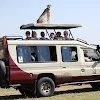
The first thing you tend to notice on a light-aircraft flight into the Okavango Delta is how little sign of people there is. Below the wing, elephant paths stitch together palm islands, channels glint between reed beds, and the airstrip you land on may serve just one or two camps. That sense of space is what most travelers are paying for on a Botswana safari, and it explains why the country sits at the higher end of African safari pricing.
Yes, Botswana is worth the price if you want water-based activities like mokoro excursions in the Okavango Delta and low-density wildlife viewing in private concessions, where small camps and few vehicles let your guide stay with a sighting or follow fresh tracks. If your priority is the Great Migration on a tighter budget, East Africa may serve you better. For couples, honeymooners, photographers and anyone tired of crowded sightings, though, Botswana's model of fewer visitors at higher rates buys you something you can feel on every game drive.
The rest of this guide is meant to help you decide which regions fit the wildlife you care about, how Botswana stacks up against Kenya and Tanzania on cost, when to travel and how to pace a private trip so the price works in your favor.
Where Should You Go for the Wildlife and Experiences You Want?
Botswana works best when you pick regions for what they do differently, since two camps in similar habitat can deliver nearly identical days. Think of the northern circuit as water, woodland and open plains, with the Kalahari and pans adding desert contrast.
Okavango Delta: Mokoro Excursions, Island Walks, and Fly-in Camps
The Okavango River flows down from the Angolan highlands and fans out into a maze of channels, lagoons and islands in the middle of the Kalahari Desert. Here a mokoro safari is the signature experience: a poler stands at the back of a narrow dugout-style canoe and guides you through reed channels at water level, where you notice painted reed frogs, malachite kingfishers and the low grunt of hippos nearby. Many water-focused camps pair mokoro excursions with motorboat trips and guided walks on islands, and Chief's Island is known for strong game on dry land. Most Delta camps are reached only by small plane, which is why a fly-in safari here feels so removed.
Moremi Game Reserve and Khwai: Diverse Habitats and Predator Sightings
Moremi Game Reserve protects a large slice of the eastern Delta, where floodplain meets mopane woodland, and that mix of habitats supports lion, leopard and wild dog in good numbers. Just outside its boundary, the Khwai concession along the Khwai River is a community area where some camps offer night drives and walking safaris, activities restricted inside the reserve itself. If predator sightings and classic game drives rank high for you, a few nights in Moremi or Khwai balance the slower pace of a water camp well.
Chobe National Park: Elephant Herds, River Cruises, and Savuti
Chobe is where you go for elephants. During the dry months, large elephant herds gather along the Chobe River near Kasane to drink and cross, and a boat safari puts you low on the water while they wade past. River boat cruises here are some of the easiest wildlife viewing in Africa, and bird watching from the deck can be excellent. Further south, Savuti (also spelled Savute) has a rougher, open feel, with a long reputation for clashes between lions and hyenas around the Savute Channel.
Linyanti: Remote Camps and Quieter Wildlife Encounters
The Linyanti region, bordering the Caprivi Strip, combines wetland and dry woodland in private reserves with very few camps. In the dry season, elephant sightings along the Linyanti waterfront can be heavy as herds return to permanent water. You choose Linyanti when you want Delta-style scenery with fewer neighbors and the flexibility that private concessions allow, including off-road driving to follow predators.
Makgadikgadi, Nxai Pan, and the Central Kalahari: Contrasting Desert Landscapes
The Makgadikgadi Pans are ancient salt pans so flat that the horizon seems to dissolve at midday. Habituated meerkats, dark skies and, after the rains, zebra moving through the grasslands give the region a different rhythm from the Delta. Nxai Pan and the Central Kalahari Game Reserve come alive in the green season, when fresh grazing draws oryx, springbok and the predators that follow them. These areas reward return guests and anyone who wants a second chapter after the wetlands.
Northern Tuli and Tsodilo Hills: Specialist Extensions Beyond the Main Circuit
In eastern Botswana, the Northern Tuli Game Reserve sits along the Limpopo River with rocky outcrops, big baobabs and free-roaming elephants, plus night drives in search of aardvark and leopard. Tsodilo Hills, in the far northwest, holds thousands of ancient San rock paintings and suits travelers with an interest in culture and history. Both work as add-ons for people with extra days, separate from the core northern route.
How Does Botswana Compare With Kenya and Tanzania on Experience and Cost?
Botswana trades sheer animal numbers and road access for space, water activities and smaller camps, and it charges for that trade. Knowing what you gain helps you decide whether the difference fits your trip.
Wildlife Diversity and Viewing: Delta Wilderness vs. East African Plains
Kenya and Tanzania deliver vast plains herds and the Great Migration, with river crossings that Botswana has no equivalent for. Botswana answers with variety of setting: you can track lions on foot-trodden floodplain in the morning and drift past hippos in a mokoro that afternoon. In popular parts of the Maasai Mara or Serengeti, a big cat sighting may draw many vehicles, while private Botswana concessions cap vehicle numbers so you often share a sighting with one other car or none. Your wildlife viewing ends up quieter, and many guests find it more personal.
Accessibility, Accommodation Styles, and Travel Logistics
East Africa is easier to reach and easier to drive; road safaris between parks are common, and lodges range widely in size and price. Botswana's best areas rely on light aircraft between small tented camps, many with fewer than a dozen rooms. That fly-in safari format saves you long, bumpy drives, but it brings soft-sided luggage rules (typically 20kg including hand luggage) and fixed flight schedules. A Botswana trip also starts with a connection through Johannesburg, since no direct flights run from the United States.
Why Botswana Often Costs More, and When the Premium Is Worth It
Botswana deliberately chose high-value, low-volume tourism. Your nightly rate covers concession fees, remote supply chains, light-aircraft access and very low guest numbers, and part of that money funds conservation. The premium pays off when you want private concessions with off-road driving, night drives and walking, or water activities in the Delta. It pays off less if your main goal is ticking off a long list of animals quickly, or if a lower-cost Chobe Riverfront lodge would give you the elephants you came for. Price alone tells you little; the right concession and camp combination will shape your trip far more than the most expensive name on the list.
What to Budget per Person and Which Inclusions to Check
High-end camps in remote private concessions run roughly $800 per person per night and climb past $2,000 in peak months, with top Delta properties such as Sanctuary Chief's Camp starting around $2,400. Chobe Game Lodge, on the riverfront, starts nearer $690. A 10-day luxury fly-in itinerary commonly lands somewhere between $9,000 and $16,000-plus per person before international flights. Rates at this level usually include meals, shared activities and local drinks, but confirm whether light-aircraft transfers, park fees, premium drinks, gratuities and specialist activities are built into any Botswana safari packages you compare, since flights alone can add several hundred dollars per leg.
When Should You Visit for Wildlife, Water Activities, and Value?
The dry season from roughly May to October is the strongest time for most first visits, combining concentrated wildlife with full Delta waterways. Green-season months suit birders, photographers and value-minded travelers.
Dry Season: Concentrated Wildlife, Cooler Mornings, and Peak Demand
As inland pans dry up, animals move toward permanent water, so sightings around the Chobe River, Linyanti and Moremi become more consistent. Thinning vegetation makes spotting easier. Mornings in June and July are cold enough that you will want a warm jacket and the blankets camps hand out on open vehicles, while October turns hot. July through September books out early, often 9 to 12 months ahead at the most sought-after camps.
Green Season: Birdlife, Changing Landscapes, and Potential Savings
From about November to March, afternoon storms roll through, the bush turns green and impala, wildebeest and zebra drop their young, which keeps predators busy. Migratory birds arrive in breeding colors, making this prime bird watching season. Many camps lower rates, and with fewer guests you have a better chance of a vehicle to yourself. The Kalahari and Makgadikgadi are at their best now, while game in the north spreads out.
How Delta Flooding Differs From Local Rainfall
The Okavango floods on a delay. Rain falls in the Angolan highlands during the southern summer, and that water takes months to travel down the Okavango River and spread across the Delta. The floodplains peak around June to August, during Botswana's driest, sunniest weather. So the Delta is wettest when the sky is clearest, and some channels can run low in the rainy months.
Matching Your Dates to Camp Access and Available Activities
Water level shapes your activities. During high flood, mokoro excursions and boat safaris run well at water camps, while some island game drives shrink as floodplains go under. In the green season, low water can limit mokoro trips at certain camps, which makes land-based concessions a smarter choice. If water activities are your priority, aim for June through August; if game drives and value matter more, April, May and November are good compromise months.
How Do You Plan a Comfortable, Well-Paced Private Trip?
A comfortable Botswana trip comes down to fewer, longer stays in camps that each do something different. Pacing decisions protect both your energy and your budget.
Choosing Your Trip Length and Combining Complementary Safari Areas
Seven to ten nights in Botswana lets you combine two or three regions without turning the trip into a run of airstrips. Three nights per camp gives you two full days of activities between flights. A strong first pairing is a water camp in the Delta with a predator-focused stay in Moremi or Khwai, then the Chobe Riverfront or Linyanti for elephants.
Getting There via Maun or Kasane and Connecting Between Camps
You will fly from the United States to Johannesburg, then connect to Maun for the Delta and Moremi or to Kasane for Chobe. From there, small planes hop between camp airstrips, sometimes with a stop or two along the way. Pack soft bags, keep camera gear within weight limits and plan an overnight in Johannesburg if your long-haul arrival is late.
Selecting Luxury Camps for Wildlife, Comfort, and Guiding
Choose the concession first and the décor second. Camp Okavango and Sanctuary Chief's Camp sit in different parts of the Delta and suit water activities and strong land game respectively, while Camp Moremi places you on the reserve's edge for game drives. Along the Chobe, Chobe Game Lodge sits inside the park, and Ngoma Safari Lodge and Muchenje Safari Lodge overlook the river's western stretch. Belmond Savute Elephant Lodge covers Savuti, and Mashatu Lodge anchors a Northern Tuli extension. Guiding quality and vehicle numbers shape your days far more than plunge pools.
Understanding Private Itineraries vs. Private Game Drives
A private, custom itinerary means your route, dates and camps are built around you, though most camp activities are still shared with a few other guests. A private vehicle, or an exclusive-use camp or villa, is a separate add-on that gives you full control over timing and how long you stay at a sighting. Photographers and families often find a private vehicle worth the extra cost; couples happy to share often skip it.
Adding Victoria Falls or Cape Town Without Rushing the Safari
Kasane sits close to Victoria Falls, with Livingstone in Zambia a short road transfer away, so Chobe and the Falls fit together easily for two or three nights. Cape Town makes a relaxed bookend via Johannesburg, adding food, wine and city time. Add these after you have protected your safari nights, never by trimming them.
Choose Botswana for the Wilderness Experience That Matters to You
A Botswana safari earns its premium when you want water-based activities, quiet sightings and small camps in private concessions. Choose the regions for your wildlife priorities first: the Delta for mokoro trips, Moremi or Khwai for predators, Chobe or Linyanti for elephants, and the pans for a desert contrast in the green season. Then match your dates to flood levels and give each camp at least three nights.
A luxury Botswana safari is easiest to plan with someone who knows how camps pair together and how the seasons shift activities. Odyssey Safaris has designed private African safaris since 2002, with an Africa-based team offering 24/7 support while you travel. When you are ready, request a personalized itinerary through the safari planning page or call (855) 272-3274 to talk through your dates and wildlife wish list.
Frequently Asked Questions
Is Botswana a good choice for a first African safari?
Yes, Botswana suits first-time travelers who value quiet sightings and small camps, and it pairs well with Victoria Falls. Budget is the main limitation, since it sits at the higher end of safari pricing.
How much does a Botswana safari cost per person?
Luxury camps run roughly $800 to over $2,000 per person per night, and a 10-day fly-in trip commonly costs $9,000 to $16,000-plus before international flights. Season, concession and inclusions like light-aircraft transfers shift the total most.
Can you see the Big Five in Botswana?
Lion, leopard, elephant and buffalo are seen regularly in the northern regions, but rhino sightings are far less predictable. Botswana is better chosen for depth of viewing than for a Big Five checklist, and no sighting is ever guaranteed.
How many days do you need for a Botswana safari?
Seven to ten nights works well for two or three regions. With five or six nights, focus on one or two complementary areas, such as the Delta with Moremi or Chobe.
Is Botswana or Kenya better for a private safari?
Botswana is stronger for privacy because private concessions limit vehicles and allow off-road driving, night drives and walking. Kenya offers lower costs, easier access and the Great Migration, and its private conservancies also reduce crowds.
What comfort can you expect at a remote luxury safari camp?
You can expect spacious tents or suites with en-suite bathrooms, good beds, rotating menus and attentive staff, with some camps adding plunge pools and outdoor baths. Power is often solar and Wi-Fi limited, which most guests come to enjoy.