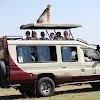
Chobe National Park: Botswana’s Riverfront Safari Wonderland
There are places in Africa that feel wild from the moment you arrive, and then there is Chobe National Park.
Set in northern Botswana, where the Chobe River winds through floodplains, woodland, and open grassland, Chobe has a rhythm all its own. The air feels different here. Softer near the water. Warmer in the dust. Alive with the low rumble of elephants, the cry of fish eagles, and the steady movement of animals making their way to the river.
For many travelers, Chobe is their first taste of Botswana safari. For others, it is the place they remember most vividly long after the journey is over. Not because it tries to be dramatic, but because it simply is. Elephants crossing the road in front of your vehicle. Buffalo gathered in heavy, dark clusters along the riverbank. Hippos grunting from the shallows. Crocodiles stretched out like ancient relics in the sun.
Chobe does not whisper Africa to you. It opens the door and lets the whole wild orchestra in.
Where Is Chobe National Park?
Chobe National Park sits in the far north of Botswana, close to the borders of Zambia, Zimbabwe, and Namibia. This makes it a natural addition to many Southern Africa itineraries, especially those including Victoria Falls.
The park was established in 1968 and covers roughly 11,700 square kilometers of wilderness, making it one of Botswana’s great safari strongholds. Its northern edge is shaped by the Chobe River, a permanent water source that draws wildlife in extraordinary numbers, especially during the dry season.
This river is the heart of the park. It gives Chobe its drama, its beauty, and much of its magic.
The Chobe Riverfront
The Chobe Riverfront is the most accessible and best known section of the park, and for good reason.
This is where the safari experience feels almost impossibly generous. You can set out on a morning game drive and find giraffe moving between the trees, impala grazing in the golden light, kudu standing ghostlike in the shade, and baboons chattering along the road. Then, just when you think you have seen enough, the elephants arrive.
And in Chobe, elephants do not simply appear one by one.
They come in families. In processions. In great, dusty gatherings that move with a quiet confidence toward the water. Calves hurry to keep up with their mothers. Young bulls splash and shove in the shallows. Older matriarchs stand watchful and calm, as if they know perfectly well that they are the soul of this place.
During the dry winter months, large herds of elephants and Cape buffalo gather along the Chobe River to drink, and it is possible to see hundreds of elephants in a single afternoon.
It is hard to describe the feeling of watching that many elephants at once. There is awe, of course. But there is also a strange sense of peace. Everything feels ancient and right, as though the world is moving exactly as it should.
Why Chobe Is Famous For Elephants
If Botswana is one of Africa’s great elephant countries, Chobe is one of its great elephant stages.
The park and surrounding region are often associated with some of the largest elephant concentrations in Africa. Along the riverfront, especially in the dry season, elephants become part of the daily landscape. They cross roads, swim channels, bathe in the mud, feed in the woodland, and gather in breathtaking numbers near the water.
For photographers, it is a dream. For first time safari travelers, it can be overwhelming in the best possible way. For seasoned safari guests, it is a reminder that even after years of travel in Africa, nature can still stop you mid sentence.
There is something deeply moving about watching elephants by water. Their size commands attention, but their behavior holds it. The way they touch each other. The way calves disappear beneath bellies and trunks. The way a herd moves as one body, guided by knowledge passed down through generations.
Chobe gives you time with elephants, and that is what makes it special. Not just a glimpse. Not just a photograph. A real chance to watch them live.
A Safari By Boat
One of the great joys of Chobe is that safari does not only happen from a vehicle.
A boat safari on the Chobe River is one of the most memorable ways to experience the park. Instead of looking out across the land, you drift along the water, watching wildlife gather at the edge of the river. Hippos rise and sink around you. Crocodiles rest on the banks. Elephants come down to drink, bathe, and sometimes swim across the channels with only their trunks lifted above the surface.
It is a completely different perspective.
From the boat, the pace slows. The light softens. You are no longer bumping along a track, scanning the bush for movement. You are floating through the scene itself, close enough to hear the splash of an elephant’s footstep and the wingbeat of a bird lifting from the reeds.
The river is also excellent for birdlife. More than 460 bird species have been recorded in Chobe National Park, making it one of Africa’s standout birding destinations. Fish eagles, kingfishers, bee eaters, storks, cormorants, darters, and many others bring constant movement and color to the river system.
Even travelers who do not consider themselves birders often find themselves quietly converted by the end of a Chobe boat safari.
That is the thing about this place. It keeps adding layers.
Wildlife Beyond The Elephants
Elephants may be the headline act, but Chobe is far from a one species safari.
Along the riverfront, you may see buffalo, giraffe, zebra, warthog, impala, kudu, waterbuck, bushbuck, puku, baboons, and vervet monkeys. Predators are present too, including lion, leopard, hyena, and jackal.
The experience can change dramatically from one drive to the next. One morning might bring a lion pride resting in the shade, bellies full and tails flicking lazily at flies. Another may be all about antelope, birds, and elephants moving through glowing afternoon dust. That variety is part of Chobe’s charm.
The park feels alive at every level. Large animals dominate the scene, but the smaller details are just as rewarding. Bee eaters flashing color from a branch. A monitor lizard slipping into the water. A fish eagle calling from above. The soft alarm bark of an antelope that makes everyone in the vehicle sit a little straighter.
Safari teaches you to pay attention, and Chobe rewards that attention beautifully.
Savuti: Chobe’s Wilder, More Remote Side
While the Chobe Riverfront is the park’s most famous area, Savuti offers a very different kind of safari atmosphere.
Savuti sits deeper inside Chobe National Park and is known for predators, open landscapes, rocky outcrops, and the mysterious Savuti Channel. This channel has famously dried up and flowed again at different times over the past century, creating one of Botswana’s great natural curiosities.
The area has a raw, dramatic feel. It is less about the gentle rhythm of the river and more about survival, space, and tension. Lions are a major draw here, along with hyena, leopard, cheetah, jackal, and other predators. Savuti is also known for zebra movements and strong dry season game viewing when animals concentrate around available water.
If the riverfront is Chobe’s grand welcome, Savuti is its wilder interior.
This is the kind of place where you may spend long stretches scanning the plains, reading tracks, following distant calls, and feeling the anticipation build. Then, suddenly, the bush gives something up. A lioness in the grass. A hyena loping with purpose. A herd of elephants moving past dead trees along the old channel.
Savuti has a way of making you feel far from everything, which is exactly its appeal.
Linyanti: Quiet, Private, And Deeply Wild
The Linyanti region, located toward the more remote reaches of northern Botswana, offers another face of the Chobe experience.
Here, the feeling is more private and secluded. Permanent water in the Linyanti system attracts wildlife during the dry season, including elephant, buffalo, zebra, wildebeest, antelope, and predators. The area can also offer sightings of species such as sable, roan, and, with luck, the shy sitatunga in wetter habitats.
Linyanti is not always the first place people think of when they hear Chobe, but for travelers who want something quieter, it can be incredibly rewarding. Smaller camps, fewer vehicles, and a sense of real isolation give this region a deeply immersive feel.
There is a particular kind of silence in places like Linyanti. Not empty silence, but living silence. The kind filled with distant bird calls, wind in the reeds, and the faint crack of branches somewhere out of sight.
It is the sort of wilderness that makes you lower your voice without meaning to.
Best Time To Visit Chobe National Park
Chobe can be visited year round, but the experience changes with the seasons.
The dry season, generally from May through October, is the classic time for big wildlife concentrations along the Chobe River. As water becomes scarce inland, animals move toward the river, making game viewing especially productive. This is when the elephant and buffalo gatherings can be at their most impressive.
The green season, typically from November through March, brings a different beauty. The landscape softens, the bush turns fresh and green, migrant birds arrive, and many animals give birth. Wildlife may be more spread out because water is more available, but the scenery can be stunning and the birding excellent.
For first time visitors focused on classic game viewing, the dry season is often the strongest choice. For photographers, birders, and travelers who love lush landscapes, the green season has its own quiet magic.
There is no wrong season here. Just different versions of Chobe.
How Long Should You Spend In Chobe?
For most travelers, two to three nights along the Chobe Riverfront works beautifully, especially if paired with Victoria Falls or the Okavango Delta.
This gives you time for morning game drives, afternoon boat safaris, and a few chances to see the river in different light. If you want to include Savuti or Linyanti, you will want more time. These areas are best treated as part of a broader Botswana safari rather than a rushed add on.
A well planned Chobe stay should never feel like a checklist. The magic is in having enough time to settle into the rhythm of the river, watch the animals come and go, and let the place reveal itself naturally.
Chobe And Victoria Falls
One of the reasons Chobe is so popular is its easy connection with Victoria Falls.
From the Victoria Falls area, travelers can often reach the Chobe region by road, making it a natural pairing for those who want to combine one of the world’s great natural wonders with a classic Botswana safari.
It is a beautiful contrast. The thunder and mist of Victoria Falls, followed by the golden riverbanks and elephant herds of Chobe. One is all power and spectacle. The other is patience, movement, and wild intimacy.
Together, they make a Southern Africa itinerary feel rich and complete.
Is Chobe Right For Your Safari?
Chobe is a wonderful choice for travelers who want excellent wildlife viewing, a beautiful river setting, and a safari experience that feels active without being overly complicated.
It works especially well for first time safari travelers, families, photographers, and anyone who loves elephants. It is also a strong fit for those who want to combine Botswana with Victoria Falls.
That said, Chobe is not one single experience. The riverfront is more accessible and busier, while Savuti and Linyanti feel more remote and rugged. Choosing the right area depends on what you want most from your safari.
If you want dramatic elephant gatherings and easy access, the Chobe Riverfront is hard to beat.
If you want predators, raw landscapes, and a deeper wilderness feel, Savuti deserves serious attention.
If you want quiet, private, remote safari country, Linyanti may be the place that stays with you longest.
Final Thoughts
Chobe National Park is one of those safari destinations that gives generously.
It gives you elephants in numbers that feel almost unreal. It gives you river sunsets that turn the water to fire. It gives you the thrill of lions in the grass, hippos in the shallows, crocodiles on the banks, and birds flashing color through the reeds.
But more than anything, Chobe gives you the feeling of being close to the pulse of wild Africa.
Not behind glass. Not at a distance. Right there, beside the river, as the dust rises, the elephants gather, and the sun slips slowly behind the trees.
And long after you leave, that is what you remember.
Not just what you saw.
How it felt.