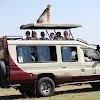
What Does an African Safari Actually Include? Lodges, Guides, Meals, Transfers, and Hidden Costs
An African safari usually includes your safari accommodations, most meals, guided game drives, park or conservation fees, airport transfers, and the on-the-ground logistics that move you safely between each part of the trip. But the exact inclusions depend heavily on the destination, lodge, itinerary style, and whether your safari is private, shared, luxury, mid-range, fly-in, or road-based.
That is the honest answer.
Safari pricing can be confusing because it is not like booking a hotel and adding a few tours later. A well-planned safari is more like a complete travel system. The lodge, guide, vehicle, meals, transfers, park fees, internal flights, and local support all have to work together. When one piece is missing or poorly planned, the whole trip can feel harder than it should.
I’ve seen travelers compare two safari quotes and assume the cheaper one is better value, only to realize later that one included private transfers, park fees, internal flights, and better-located lodges, while the other quietly left several expensive pieces out.
That is why the real question is not just, “How much does safari cost?”
It is, “What exactly is included, what is not included, and what will I still need to pay for once I am there?”
Quick Answer: What Is Usually Included in an African Safari?
Most African safari packages include:
Safari lodges or tented camps
Most meals while on safari
Guided game drives
A safari guide or driver-guide
Safari vehicle use during planned activities
Park fees, conservation fees, or reserve fees
Airport transfers
Road transfers or light aircraft flights between safari areas
Some drinks, depending on the lodge
Laundry at some camps
Local support during the trip
Most safari packages do not always include:
International flights
Travel insurance
Visas
Vaccinations or medications
Premium alcoholic drinks
Tips and gratuities
Optional activities
Extra hotel nights before or after safari
Some internal flights
Baggage fees
Private vehicle supplements
Single supplements
Credit card fees or wire fees
Souvenirs and personal expenses
The tricky part is that “included” can mean different things in different countries and lodges. One camp may include all drinks and laundry. Another may charge for premium spirits, laundry, or certain activities. One itinerary may include internal flights. Another may price them separately.
You want this clarified before you book, not when you are standing at reception with a bill you did not expect.
What Makes Safari Inclusions Different From a Normal Vacation?
Safari is different because so much of the experience happens far from towns, roads, restaurants, and ordinary travel infrastructure.
At a beach resort, you might book a room and decide later where to eat or what to do. On safari, that usually does not work. Your lodge is often your restaurant, activity base, guide hub, transfer point, and safety system all at once.
You wake before sunrise. Coffee or tea arrives. Your guide meets you. The vehicle leaves camp while the air is still cool and the bush is waking up. You return for breakfast, rest through the warmer part of the day, then go out again in the afternoon. Dinner is back at camp, often with the sounds of night starting around you.
That rhythm is part of what you are paying for.
A safari quote is not only a bed in the bush. It is access, guiding, timing, logistics, meals, staff, vehicles, fuel, permits, conservation fees, and the ability to be in the right place when the animals are moving.
This is also why comparing safari prices can be misleading. A lodge that looks expensive may include nearly everything. A cheaper option may look attractive until transfers, park fees, drinks, activities, and vehicle costs are added later.
The details matter.
Best Reasons to Understand Safari Inclusions Before You Book
1. It Helps You Compare Quotes Properly
Not all safari quotes are built the same way.
One itinerary might include internal flights, park fees, private guiding, and all meals. Another might leave out domestic flights, quote shared game drives, use lodges farther from the best wildlife areas, or exclude conservation fees.
On paper, the second trip may look cheaper. In practice, it may not be the better value.
This is where I always tell travelers to slow down and compare the experience, not just the total price. Ask what is included. Ask what is optional. Ask what is paid locally. Ask whether the guide and vehicle are private or shared. Ask whether the lodge is inside the reserve, outside the reserve, or in a private conservancy.
Those questions reveal the real trip.
2. It Prevents Surprise Costs
Safari surprise costs are rarely fun.
They usually appear in small places: drinks, laundry, park fees, tips, private vehicles, optional activities, extra transfers, checked luggage, or a forced overnight near the airport because flight timing does not work.
None of those are necessarily unreasonable. The problem is not the cost itself. The problem is being surprised by it.
A good safari plan should make the costs feel clear before you travel. You may still buy souvenirs, tip generously, add a spa treatment, or order a special bottle of wine. But the core trip should not feel like a mystery.
3. It Shows You the Quality of the Planning
A clear safari quote usually reflects clear planning.
If the inclusions are vague, that is a warning sign. Safari has too many moving parts for “we’ll figure it out there” to be a good strategy.
You want to know how you are getting from the airport to the lodge. Who is meeting you. Whether meals are included. Whether the park fees are covered. Whether the game drives are private. Whether there are luggage restrictions on light aircraft. Whether anyone is tracking your transfers.
This is not just administrative detail. It affects how calm the trip feels.
4. It Helps You Decide Where to Spend More
Understanding inclusions helps you spend money where it actually improves the safari.
Sometimes the best upgrade is not the most expensive room. It is a better lodge location. A private vehicle. A fly-in transfer that saves a punishing drive. A camp with stronger guiding. An extra night in the right area.
I have seen a modest-looking itinerary outperform a more glamorous one because the logistics were cleaner and the wildlife areas were better chosen.
Safari value is not just luxury. It is whether the money improves the experience on the ground.
What Is Included at Safari Lodges and Tented Camps?
Most safari lodges and tented camps include accommodation, meals, and scheduled activities such as morning and afternoon game drives.
In many safari areas, the lodge is your base for everything. You are not leaving each night to find dinner in town. You eat at camp. You meet your guide at camp. You rest at camp between drives. That is why lodge choice matters so much.
A typical safari lodge stay may include:
Your room or tented suite
Breakfast, lunch, and dinner
Morning and afternoon game drives
Tea, coffee, and snacks
Some local drinks
Wi-Fi in some areas
Laundry at some camps
Park or conservancy fees in some packages
Transfers to and from nearby airstrips
Guided walks or boating in some locations
But this varies.
Some luxury camps include nearly everything except premium wines, champagne, boutique purchases, and tips. Some mid-range lodges include meals and game drives but charge separately for drinks, laundry, park fees, or optional activities. Some city hotels before or after safari may include breakfast only.
The word “all-inclusive” also needs context. A safari lodge may be all-inclusive while you are at the lodge, but your international flights, visas, insurance, tips, and some transfers may still be separate.
This is why the fine print matters more than the marketing phrase.
Are Meals Included on Safari?
Meals are usually included while you are staying at safari lodges and camps.
In most safari areas, breakfast, lunch, and dinner are part of the stay. The day often starts with coffee, tea, and something light before the morning game drive. Breakfast may be served after you return, or occasionally packed as a bush breakfast. Lunch is usually at camp. Afternoon tea or snacks may come before the second drive. Dinner is served after sunset.
The food is often much better than first-time travelers expect.
Many people imagine remote safari meals will be basic. Then they arrive and find fresh bread, soups, grilled meats, vegetables, curries, salads, desserts, South African wines, Kenyan coffee, Tanzanian tea, or private dinners under the stars.
That said, meal inclusions differ outside the safari portion. In Nairobi, Cape Town, Johannesburg, Arusha, Kigali, or Zanzibar, your hotel may include breakfast only. Lunches and dinners in the city may be paid separately unless your itinerary says otherwise.
Dietary needs should be communicated before travel. Vegetarian, vegan, gluten-free, dairy-free, and other requirements can usually be handled well, but remote camps need advance notice. This is not the place to mention a serious food allergy at check-in.
Are Drinks Included on Safari?
Sometimes.
This is one of the most common inclusion differences between lodges.
Some high-end safari camps include house wines, beers, local spirits, soft drinks, bottled water, tea, and coffee. Premium wines, champagne, imported spirits, and cellar selections may cost extra.
Other lodges include only tea, coffee, and water, with all alcoholic drinks charged separately. Some include drinks on game drives but not premium options. Some include minibar items. Some do not.
For many travelers, drinks are not a major cost. But for honeymooners, families, or groups, it can add up.
Ask what is included before booking. “All-inclusive” may mean different things from one property to the next.
Are Game Drives Included?
Yes, game drives are usually included at safari lodges and camps, but the structure can vary.
Most lodges include two scheduled game drives per day: one in the early morning and one in the late afternoon. These are the best wildlife-viewing windows because animals are often more active and the light is better.
The bigger question is whether the drives are private or shared.
Shared game drives are common at safari lodges. You join other guests in the vehicle, usually with a professional guide. This can be social, cost-effective, and perfectly enjoyable. It works especially well when the lodge is small and the group has similar interests.
Private game drives cost more, but they can be worth it for families, photographers, older travelers, honeymooners, or anyone who wants full control over pace and priorities.
In East Africa, many private safaris include a dedicated vehicle and driver-guide for the road-based portion of the trip. In Southern Africa, lodge-based safaris often use shared vehicles unless a private vehicle is arranged in advance.
That distinction matters. A “private safari” may mean private routing and planning, but not necessarily a private vehicle at every lodge.
Are Safari Guides Included?
Yes, guiding is one of the most important things included in a good safari.
Your guide shapes the trip more than almost anything else. A great guide does not just drive toward animals. They read tracks, listen to birds, understand animal behavior, communicate with other guides, judge distance, manage safety, and know when to wait.
This is the difference between seeing an elephant and understanding what the herd is doing. Between spotting a lion and noticing how the cubs are behaving. Between driving past tracks and realizing a leopard may have crossed the road just before sunrise.
Guiding styles vary by destination.
In Kenya and Tanzania, you may have a private driver-guide for much of the trip, especially on a custom road safari. That guide may stay with you between parks and become a central part of the journey.
In South Africa, Botswana, Zambia, and some other regions, guides are often lodge-based. You arrive at a camp and join that lodge’s expert guide for activities in that area.
Neither model is automatically better. Private driver-guides give continuity. Lodge-based guides often know their specific reserve or concession intimately.
What matters is guide quality and whether the guiding style fits your trip.
Are Transfers Included?
Transfers are often included, but you need to know which ones.
A complete safari itinerary may include airport meet-and-greet, road transfers, lodge transfers, airstrip transfers, and sometimes light aircraft flights between safari areas. But not every quote includes all of those pieces.
This is where hidden costs can appear.
For example, your lodge may include the short transfer from the nearby airstrip, but not the flight to that airstrip. Your itinerary may include game drives, but not the long road transfer between two regions. Your international flight may land too late for a same-day connection, requiring an extra hotel night near the airport.
On safari, transfers are not just transportation. They are part of the trip design.
A poorly planned transfer day can leave you exhausted before you even reach the lodge. A smart transfer can save time, reduce stress, and put you in camp before the afternoon game drive.
Ask whether each transfer is private or shared. Ask how long it takes. Ask whether it is by road or air. Ask whether someone will meet you at each handoff.
Those details matter more when you are tired, jet-lagged, or traveling with children.
Are Park Fees Included?
Park fees, reserve fees, and conservation fees may or may not be included, depending on the itinerary.
These fees can be significant, especially in popular national parks, private conservancies, and high-value wildlife areas. They help support conservation, protected-area management, local communities, and access to safari regions.
Many quality safari quotes include these fees upfront. Others list them separately or require payment locally.
This is one of the first things I would check when comparing prices. If one quote includes park fees and another does not, the cheaper itinerary may not actually be cheaper.
Also ask whether fees are subject to change before travel. In some destinations, government or conservation fees can increase after booking. A good safari planner should explain how that is handled.
What Hidden Costs Should You Watch For?
Safari hidden costs are usually not hidden on purpose. They are just easy to miss if you have not planned this type of trip before.
Common extra costs include:
International flights
Visas
Travel insurance
Vaccinations and medications
Tips for guides, drivers, trackers, camp staff, and porters
Premium drinks
Spa treatments
Laundry where not included
Optional activities
Hot air balloon safaris
Gorilla or chimpanzee permits
Extra baggage fees
Private vehicle supplements
Single supplements
City meals before or after safari
Airport hotel overnights
Credit card or wire transfer fees
Souvenirs and personal shopping
The big ones are usually flights, tips, permits, private vehicles, single supplements, and extra hotel nights.
A hot air balloon safari, gorilla trekking permit, or private vehicle can be absolutely worth it, but it should be planned intentionally. It should not surprise you halfway through the booking process.
Best For / Not Ideal For
A More Inclusive Safari Is Best For
First-time safari travelers who want fewer moving parts.
Families who do not want to manage costs and logistics during the trip.
Honeymooners who want the trip to feel seamless.
Luxury travelers who prefer most expenses handled upfront.
Older travelers who want comfort, support, and clarity.
Travelers visiting remote camps where meals, activities, and transfers are naturally bundled.
A Less Inclusive Safari Is Best For
Budget-conscious travelers who want more control over spending.
Independent travelers who do not mind arranging some meals or transfers separately.
Travelers spending more time in cities where they want to choose their own restaurants and activities.
Repeat safari travelers who understand where they are comfortable saving money.
A Less Inclusive Safari Is Not Ideal For
Travelers who dislike surprises.
Families with young children.
Travelers comparing quotes without checking the fine print.
Anyone assuming “safari package” means every cost from home to home is included.
Lodge-Based Safari vs. Road Safari: What Is Included?
This is one of the most important comparisons.
In a lodge-based safari, common in South Africa, Botswana, Zambia, and parts of Zimbabwe, you usually fly or transfer to a lodge and join that lodge’s activities. Meals, game drives, guiding, and some drinks may be bundled into the stay. Transfers to and from nearby airstrips may also be included.
In a road safari, common in Kenya and Tanzania, you may travel with a private driver-guide between parks. Your vehicle, guide, park routing, and road transfers are part of the core itinerary. Lodges provide meals and accommodation, while your guide manages the day-to-day safari movement.
Neither is better for everyone.
A lodge-based safari can feel polished, relaxed, and immersive once you arrive. A road safari can give you continuity, flexibility, and a strong sense of journey. The key is understanding what each model includes and how it affects cost.
If a quote says “private safari,” ask whether that means a private vehicle throughout, private transfers only, or simply a custom itinerary.
How Much Should You Budget for Extras?
The amount depends on the destination and travel style, but travelers should budget for extras even on a highly inclusive safari.
Tips are the most common added cost. They vary by country, lodge, and guide team, but they should be planned ahead. Travel insurance, visas, and medical preparation should also be included in your real trip budget.
Optional activities can make the largest difference. Balloon safaris, gorilla trekking, helicopter flights, spa treatments, private vehicles, and special excursions may add hundreds or thousands of dollars depending on the trip.
For a luxury safari, the point is not to avoid every extra. The point is to know which extras are worth it.
A private vehicle may improve the trip more than a room upgrade. A light aircraft transfer may save a long driving day. A better-located camp may reduce wasted time. A balloon safari may be unforgettable for one traveler and unnecessary for another.
Spend where it changes the experience.
Best Time to Clarify Safari Inclusions
Clarify inclusions before you pay a deposit.
By that point, the itinerary should be detailed enough for you to understand what is covered. You should know where you are staying, which meals are included, how transfers work, whether park fees are included, what activities are planned, and what costs are still separate.
Do not wait until final documents to ask.
A good safari quote should make the structure clear. It does not need to explain every cup of coffee, but it should clearly separate included costs from excluded costs.
Before booking, ask:
Are international flights included?
Are internal flights included?
Are all transfers included?
Are park and conservation fees included?
Are game drives private or shared?
Are drinks included?
Is laundry included?
Are tips included or separate?
Are optional activities included?
Are there single supplements?
Are there luggage limits?
Are any fees paid locally?
These questions are not nitpicking. They are how you protect the trip.
Suggested Safari Itineraries and What They Usually Include
8-Day First Safari Package
Best for: First-time travelers who want a simple, guided experience.
Day 1: Arrive and overnight near the international airport
Days 2 to 5: Main safari lodge or camp
Days 6 to 7: Second safari area or city add-on
Day 8: Depart
Usually includes lodging, safari meals, game drives, transfers, guide services, and park fees. International flights, insurance, visas, tips, and some drinks are usually separate.
10-Day Private East Africa Safari
Best for: Travelers who want classic Kenya or Tanzania with a private guide.
Day 1: Nairobi or Arusha
Days 2 to 4: First safari region
Days 5 to 8: Masai Mara or Serengeti
Day 9: Return city overnight
Day 10: Depart
Usually includes lodges, meals on safari, private driver-guide, safari vehicle, park fees, and road transfers. Internal flights, balloon safaris, premium drinks, tips, and city meals may vary.
12- to 14-Day Luxury Safari and Beach Trip
Best for: Honeymooners, couples, and travelers wanting a fuller journey.
Days 1 to 2: Arrival and recovery
Days 3 to 8: Safari in Kenya, Tanzania, South Africa, or Botswana
Days 9 to 13: Zanzibar, Seychelles, Cape Town, or Victoria Falls
Day 14: Depart
Usually includes safari lodges, meals, game drives, transfers, and some internal flights. Beach resorts, city hotels, drinks, activities, and meals may follow different inclusion rules.
Is a More Inclusive Safari Worth It?
Yes, for many travelers, a more inclusive safari is worth it.
This is especially true if you are traveling for a honeymoon, with family, on a luxury trip, or to remote camps where logistics are complicated. Paying more upfront can make the experience feel calmer because fewer decisions and payments happen on the ground.
But “more inclusive” does not automatically mean better.
The inclusions have to be useful. Included drinks are nice. Included laundry is helpful. Included park fees are important. But the biggest value comes from good routing, strong guiding, clean transfers, well-located lodges, and clear support.
I would rather see a traveler pay for those things than for extras that sound impressive but do not change the safari much.
Final Verdict: What Does an African Safari Actually Include?
An African safari usually includes your lodges or tented camps, most safari meals, guided game drives, safari vehicles, park or conservation fees, transfers, and local support. But the exact inclusions vary by destination, lodge, and itinerary style.
The important thing is to understand the trip as a whole.
A safari is not just accommodation. It is guiding, access, timing, wildlife areas, logistics, conservation fees, meals, vehicles, and support all working together. When those pieces are included clearly and planned well, the trip feels smooth. When they are vague, the trip can become stressful or more expensive than expected.
FAQs About What African Safaris Include
Are international flights included in African safari packages?
Usually, international flights are not included in safari packages. Most travelers book flights separately, while the safari operator handles the in-destination itinerary, lodges, transfers, game drives, and local logistics.
Are meals included on safari?
Most meals are included while staying at safari lodges and tented camps. City hotels before or after safari may include breakfast only, so lunches and dinners in places like Nairobi, Cape Town, Johannesburg, Arusha, or Kigali may be separate.
Are drinks included on safari?
Sometimes. Luxury camps often include house wines, beers, local spirits, soft drinks, bottled water, tea, and coffee. Premium drinks may cost extra. Mid-range lodges may charge separately for most alcoholic drinks.
Are game drives included on safari?
Yes, scheduled game drives are usually included at safari lodges and camps. The main thing to check is whether those drives are shared or private.
Are park fees included in safari prices?
Often, but not always. Park fees, conservation fees, and reserve fees can be significant, so confirm whether they are included in the quote or paid separately.
How much should I budget for safari tips?
Tip amounts vary by country, lodge, and type of safari. You should ask for guidance before travel and budget separately for guides, trackers, drivers, camp staff, porters, and transfer teams where appropriate.
What are the biggest hidden safari costs?
The biggest hidden costs are usually international flights, internal flights if not included, park fees, tips, visas, travel insurance, optional activities, private vehicles, single supplements, and extra hotel nights before or after safari.
Plan Your African Safari With Odyssey Safaris
A good safari should feel clear before you ever step on the plane.
Odyssey Safaris has been creating private, custom African safaris since 2002, with US and Kenya offices, expert local guides, dedicated vehicles, seamless planning, and on-the-ground support throughout your journey. We help you understand exactly what is included, what is optional, and what costs to expect before you travel.
Whether you are comparing safari quotes, planning a honeymoon, organizing a family trip, or trying to understand the real cost of a private safari, we can help you build an itinerary that feels transparent, comfortable, and worth every dollar.
The best safari quote is not always the cheapest one. It is the one where the experience, support, and costs are clear from the beginning.